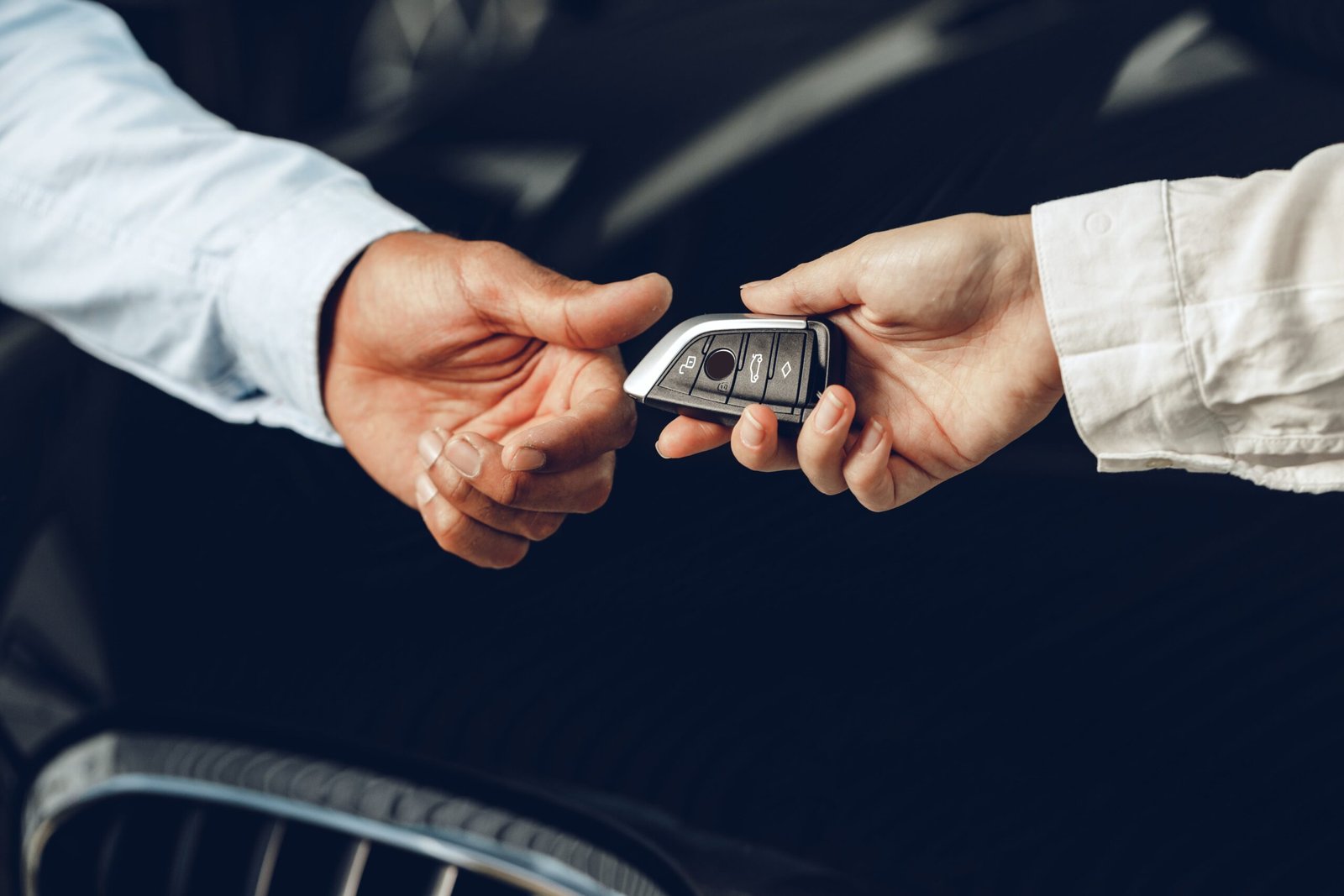
Reprogramming Car Keys: A Comprehensive Guide
In today's fast-paced world, cars are an important part of daily life, and the technology behind car keys has evolved significantly over the years. Gone are the days of simple mechanical keys; modern-day cars typically come equipped with advanced key fobs that not just unlock doors but also start the engine. Unfortunately, these electronic keys can in some cases stop working or need reprogramming. This post will check out the ins and outs of reprogramming car keys, offering valuable information for car owners.
Understanding Car Key Types
Before diving into the reprogramming process, it's necessary to comprehend the various types of car keys. The most typical types include:
- Traditional Mechanical Keys: The most basic form of a car key, which runs the lock and ignition utilizing a mechanical system.
- Transponder Keys: These keys consist of a small chip that communicates with the car's ignition system, making it harder for thieves to take the vehicle.
- Key Fobs: These remote-controlled devices allow keyless entry and may likewise enable for keyless ignition.
- Smart Keys: Linked to advanced keyless entry systems, clever keys supply the supreme benefit, permitting the chauffeur to start the vehicle with the touch of a button.
Comprehending these key types is essential as the programming actions can vary considerably.
Why Reprogramming is Necessary
Reprogramming a car key may be necessary for different reasons, consisting of:
- Lost or Stolen Keys: If a key is lost or thought to be taken, reprogramming is necessary to make sure the car stays secure.
- Changing an Old Key: When a vehicle owner gets a new key, the old key might require to be programmed to avoid it from working.
- Battery Replacement: Changing the battery in a key fob might in some cases need reprogramming to bring back functionality.
- Malfunctioning Key: If a key is malfunctioning, reprogramming may resolve the problem.
Steps for Reprogramming Car Keys
The process of reprogramming a car key can differ considerably depending on the make and model of the vehicle. Below is a generalized step-by-step guide, but it is always recommended to refer to the vehicle's user manual for in-depth guidelines.
Gather Necessary Equipment:
- The brand-new key or key fob
- The vehicle (ideally near the front door)
- The existing working key (if available)
Get Inside the Vehicle:
- Close all doors and ensure the vehicle is fully secured.
Insert the Key:
- For cars with standard keys, insert the key into the ignition.
- For vehicles utilizing key fobs, ensure the fob is inside the car.
Turn the Ignition On and Off:
- Turn the key to the "on" position (not beginning the engine) and then off. Repeat this procedure several times (usually 5 times) to enter programming mode.
Observe the Indicators:
- Pay attention to the control panel lights. If a light blinks or remains on, it normally shows that the car remains in programming mode.
Program the New Key:
- Insert the new key and turn it to the "on" position. Wait for any verification signals, which may include the locking and opening of doors or flashing of lights.
Check the Key:
- After programming, test the new key to guarantee it operates properly.
Repeat if Necessary:
- For lorries that support multiple keys, you might need to duplicate the programming procedure for each brand-new key.
Table of Common Vehicle Makes and Programming Procedures
| Vehicle Make | Key Type | Programming Process |
|---|---|---|
| Ford | Transponder Key | Place existing key, turn to 'on', insert brand-new key. |
| Honda | Key Fob | Insert key, turn to 'on', click lock button on fob. |
| Chevy | Smart Key | Insert key, press brake, and push begin button. |
| Toyota | Key Fob/Transponder | Place key, turn to 'on', hold 'lock' button on fob. |
| Nissan | Key Fob | Place existing key, switch on, press 'lock' button. |
Typical Issues During Reprogramming
While the procedure is normally straightforward, there are common problems that can emerge throughout reprogramming:
- Incorrect Sequence: Failing to follow the ignition sequence properly can lead to failure to go into programming mode.
- Defective Key: If the brand-new key is defective or harmed, it may not program properly.
- Vehicle Settings: Some automobiles require specific settings or conditions (like remaining in Park) for effective programming.
- Missing out on Tools: Sometimes, extra tools or codes might be required, especially for high-security systems.
FAQs
1. Can click through the up coming document reprogram my car key myself?
Yes, many lorries permit owners to reprogram keys themselves, but the process can vary significantly depending on the make and model. Always describe the vehicle's user manual for directions.
2. What should I do if the reprogramming stops working?
If the programming does not work, confirm the series and the key's condition. If issues continue, speak with an expert locksmith professional or your car dealership.
3. How much does it cost to reprogram a car key?
The cost can vary from ₤ 50 to ₤ 200 or more, depending upon the make and design of the vehicle, and whether expert assistance is needed.
4. Does reprogramming eliminate previous keys?
In many cases, yes. If you're reprogramming a brand-new type in a security system that limits key access, the older keys might be rendered ineffective.
Reprogramming a car key is a valuable skill for any vehicle owner. Understanding the types of keys, the need for reprogramming, and the basic steps involved can save money and time, ensuring that your vehicle remains available and protected. While DIY services exist, when in doubt, expert assistance can help ease the tension and complexity of reprogramming car keys. Constantly ensure you have the right tools and understand your vehicle's particular requirements to make sure successful programming.